
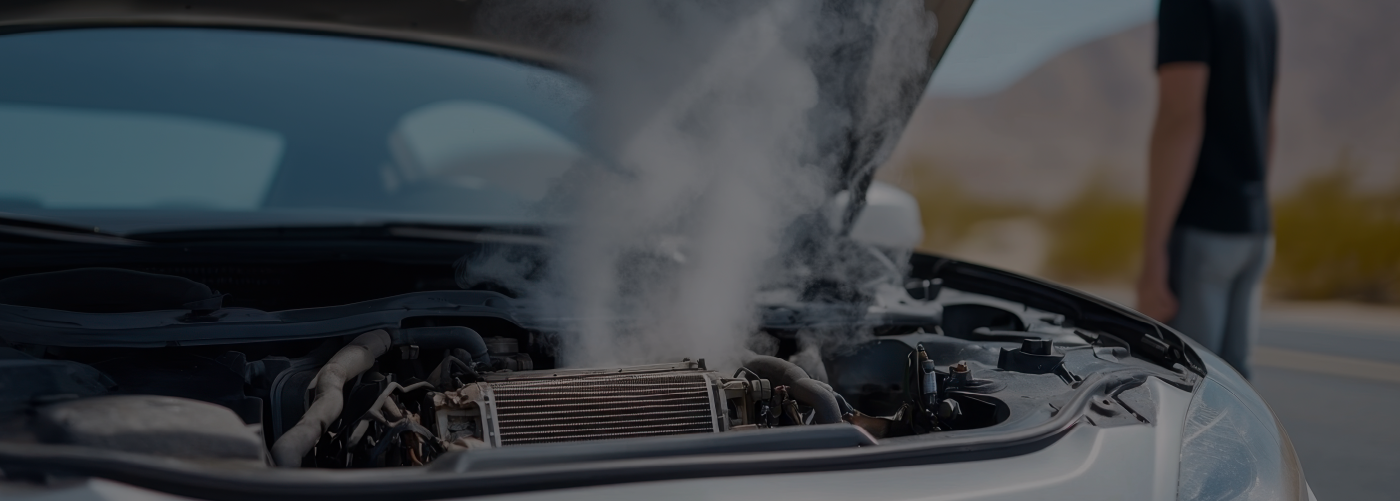
If your car’s making strange sounds, your ears might be your best diagnostic tool. Whether it’s a knock, squeal, hiss, tick, or grind, your engine is trying to tell you something, and ignoring it could mean the difference between a quick fix and a costly repair.
At Burt Brothers, we’ve heard it all (literally). From subtle ticks that turn out to be simple oil issues, to ominous grinding that signals a failing water pump, these noises are often early warnings that shouldn’t be ignored.
Why Engine Noises Matter
Your engine is made up of hundreds of moving parts working together in high heat and pressure. When something goes wrong, whether it’s low oil, a loose belt, or a failing component, your vehicle will often make its distress known through sound.
Recognizing these noises early is key to preventing breakdowns, saving money, and keeping your car reliable for the long haul. That’s why Burt Brothers technicians always say: “If it sounds wrong, it probably is.”
1. Knocking or Pinging
What it sounds like:
A rhythmic metallic “ping” or “knock,” especially noticeable when accelerating or climbing hills.
Common causes:
- Low-octane fuel: Using gas that doesn’t meet your car’s octane rating can cause pre-ignition, leading to knocking.
- Carbon buildup: Deposits in combustion chambers can alter compression and cause uneven firing.
- Timing issues: Incorrect ignition timing or worn spark plugs can trigger knocking under load.
Why it matters:
Persistent knocking isn’t just annoying. It can lead to serious engine damage over time. Repeated detonation stresses pistons and bearings, reducing engine life and performance.
When to act:
If you hear knocking regularly, especially under acceleration, it’s time to schedule a diagnostic check. At Burt Brothers, our ASE-certified technicians can inspect your ignition timing, clean carbon buildup, and make sure your fuel system is running efficiently.
2. Squealing or Screeching
What it sounds like:
A high-pitched squeal, often during engine startup, when turning the steering wheel, or when accelerating suddenly.
Common causes:
- Worn serpentine belt: Over time, belts dry out, crack, or lose tension.
- Loose alternator or pulley: Misalignment can cause a squeal as belts slip under load.
- Failing tensioner: When tensioners lose spring strength, they can’t keep proper belt pressure.
Why it matters:
Your serpentine belt powers crucial systems, like your alternator, power steering, and A/C. If it fails, you could lose steering assist or battery charging, leaving you stranded.
When to act:
If you hear squealing on startup or while turning, book an appointment with Burt Brothers before the belt snaps. Our shops carry quality replacement belts and can check related pulleys and tensioners for wear.
(Pro tip: a small squeal after rain could be harmless moisture, but if it’s consistent, don’t ignore it.)
3. Hissing or Whistling
What it sounds like:
A steady hiss or faint whistle under the hood, especially when the engine is idling or just after you shut it off.
Common causes:
- Vacuum leak: Cracked hoses or loose connections let air sneak in where it shouldn’t.
- Coolant leak: A hissing sound after shutdown may be pressurized coolant escaping.
- Cracked hose or gasket: Rubber components wear out over time and can allow air or fluids to escape.
Why it matters:
Leaks can lead to overheating, poor fuel economy, and erratic performance. A vacuum leak can throw off your air/fuel ratio, while a coolant leak risks damaging the engine if it overheats.
When to act:
A hissing engine isn’t something to guess at. Bring your vehicle to Burt Brothers, where our technicians can perform a smoke test or coolant pressure test to pinpoint the leak source before it turns into a major repair.
4. Ticking or Clicking
What it sounds like:
A repetitive “tick-tick-tick” that rises and falls with engine RPMs—like a fast tapping under the hood.
Common causes:
- Low oil level: Insufficient oil can prevent proper lubrication of valve components.
- Valve train noise: Lifters, rocker arms, or cam followers may be worn or need adjustment.
- Fuel injector clicking: Some ticking is normal in modern engines, but excessive noise isn’t.
Why it matters:
Running with low oil or a valve issue can lead to premature wear or even oil starvation, which damages critical internal parts.
When to act:
If the ticking is rhythmic and grows louder with speed, check your oil level immediately. If the oil is full but the noise continues, let Burt Brothers perform a valvetrain inspection. We’ll identify if it’s a lifter issue, lubrication problem, or something else entirely.
5. Grinding or Growling
What it sounds like:
A harsh grinding, growling, or rumbling sound, especially during acceleration, shifting, or idling.
Common causes:
- Worn bearings: In alternators, pulleys, or wheel hubs.
- Failing water pump: Bearings inside the pump can fail, creating a grinding noise.
- Transmission issues: Low or degraded fluid can cause internal gear grinding.
Why it matters:
Grinding is one of the most serious warning signs your car can give. It often means metal components are scraping together—something that can lead to catastrophic failure if ignored.
When to act:
If you hear grinding, don’t delay. Have it inspected immediately. At Burt Brothers, we’ll check bearings, belts, and fluids to identify the source. If caught early, we can often replace the affected component before it causes deeper engine or transmission damage.
Quick Reference: Engine Noises and Their Meanings
| Noise Type | Likely Cause | Risk Level | Action Needed |
| Knocking | Fuel or timing issue | Moderate–High | Check fuel quality, inspect timing |
| Squealing | Belt or pulley wear | Moderate | Replace belt/tensioner |
| Hissing | Coolant or vacuum leak | High | Inspect hoses/seals immediately |
| Ticking | Low oil or valve issue | Moderate | Check oil, inspect valvetrain |
| Grinding | Bearing or pump failure | High–Critical | Immediate professional inspection |
Don’t Ignore the Sounds of Trouble
Your car’s engine isn’t just a machine. It’s a system that communicates through sound. Paying attention to unusual noises can save you from expensive repairs, breakdowns, or even engine failure.
At Burt Brothers, our trained technicians use advanced diagnostic tools to find the cause of engine noises before they turn into major issues. Whether you need a simple belt replacement, an oil check, or a deeper inspection, we’ll get you back on the road safely and quietly.
Schedule your diagnostic appointment today at your nearest Burt Brothers location. From knocking to grinding, we’ll make sure those strange sounds don’t turn into costly surprises.
FAQ: Common Engine Noise Questions
Is engine knocking always serious?
Not always. Sometimes it’s caused by poor-quality fuel or carbon buildup. But if knocking continues after refueling or gets worse, have it checked by a technician.
Can I drive with a squealing belt?
Briefly, yes—but it’s risky. If your belt fails completely, you could lose power steering or battery charging. Schedule a replacement as soon as possible.
What does a ticking engine mean?
Usually, low oil or valve noise. If it gets louder or faster with RPMs, have it inspected—especially if your oil level is fine.
Why does my engine hiss after shutting off?
It could be coolant evaporating on a hot surface or a small leak in the cooling system. Either way, it’s worth a check.